
Journaling is often misunderstood as simply “writing your thoughts”. In reality, it is a structured self-development tool used for emotional regulation, productivity, creativity, and even goal achievement through different types of journaling
If you’re starting a journaling habit—or building a journal brand—understanding the different types of journaling helps you choose (or create) the right format.
Let’s explore the major types of journaling and how each one serves a different purpose.

Reflective Journaling (Self-Awareness Focused)
Reflective journaling is the most traditional form. It involves writing about your thoughts, emotions, and daily experiences.
You might write:
- How you felt during a difficult conversation
- What triggered you today
- Lessons learned from a mistake
This type of journaling improves:
- Emotional intelligence
- Self-awareness
- Decision-making clarity
Psychological research on expressive writing by James Pennebaker shows that reflecting on emotions reduces stress and improves mental well-being.
Best for: People working on emotional growth or mental clarity.
Gratitude Journaling (Positivity-Oriented)
Gratitude journaling focuses on listing things you’re thankful for daily.
Example prompts:
- Three things I’m grateful for
- One small win today
- Someone who supported me
This practice shifts focus from problems to stability. Studies in positive psychology show gratitude improves mood and resilience.
Best for: Those dealing with stress, burnout, or negativity patterns.
Goal-Oriented Journaling (Achievement-Based)
This type centers around goals and progress tracking.
You write:
- Long-term goals
- Weekly action steps
- Daily priorities
- Progress reflections
Goal-setting theory suggests that written, specific goals increase performance.
Instead of:
“I want success.”
You write:
“I want to launch my website in 3 months.”
Clarity increases motivation.
Best for: Entrepreneurs, students, productivity-focused individuals.
Manifestation Journaling (Vision-Based)
Manifestation journaling combines visualization with goal clarity.
You write as if your goals are already achieved:
“I am confident and leading my brand successfully.”
Psychologically, this works through mental rehearsal and expectancy theory—strengthening belief and action alignment.
Important: Manifestation works best when paired with action.
Best for: Vision-driven individuals who respond well to visualization.
Bullet Journaling (Structured & Organized)
Bullet journaling is a structured system that includes:
- Habit trackers
- Task lists
- Monthly logs
- Goal pages
It blends productivity with creativity.
Unlike free writing, this type is visually organized and ideal for those who prefer structure over emotional expression.
Best for: Organized thinkers and planners.
Stream-of-Consciousness Journaling (Mental Dump)
Also called “brain dumping,” this type involves writing continuously without editing.
You don’t worry about grammar, structure, or logic.
You just release.
This reduces mental clutter and is extremely helpful during anxiety spikes.
Best for: Overthinkers and emotionally overwhelmed individuals.
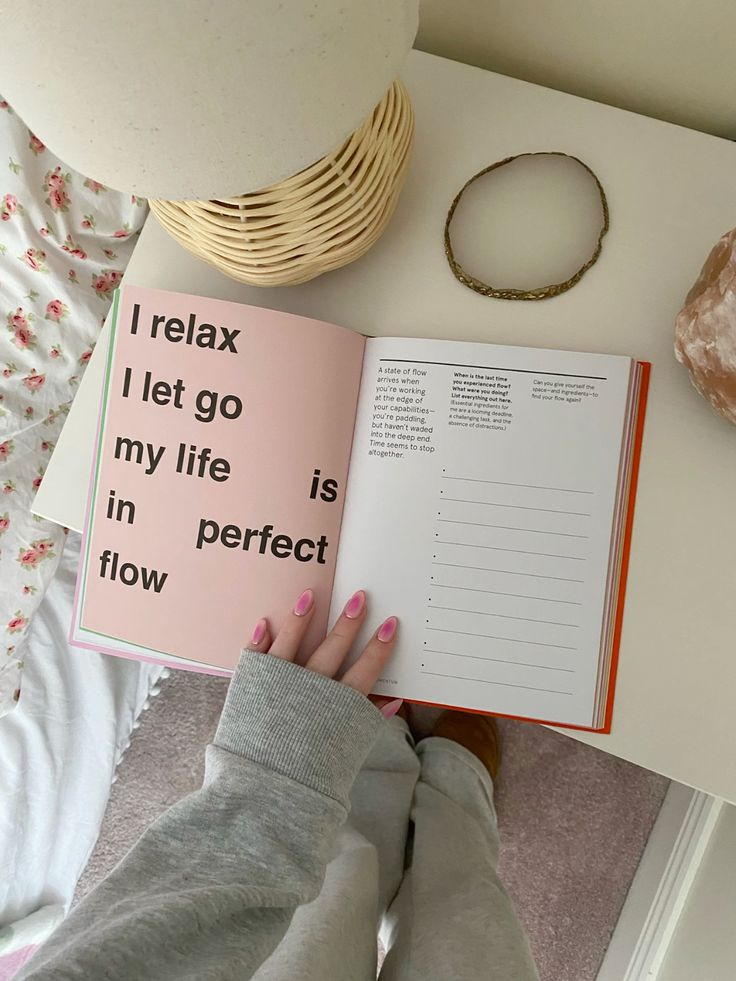
Guided Journaling (Prompt-Based)
Guided journaling uses structured prompts.
Examples:
- What am I avoiding right now?
- What does my ideal future look like?
- What belief is limiting me?
Guided journals are especially helpful for beginners who feel stuck.
Best for: People new to journaling or those who prefer direction.
Creative Journaling (Art + Words)
Creative journaling includes:
- Doodles
- Quotes
- Sketches
- Vision boards
- Collages
It combines emotional expression with artistic freedom.
Best for: Creative personalities and visual thinkers.
Therapeutic Journaling (Deep Processing)
This type focuses on trauma processing, emotional healing, and cognitive restructuring.
It may include:
- Challenging negative beliefs
- Reframing thoughts
- Identifying triggers
Often used alongside therapy, this style promotes deep psychological insight.
Best for: Personal healing journeys.
How to Choose the Right for you from types of journaling
Ask yourself:
- Do I need emotional clarity? → Reflective
- Do I feel negative often? → Gratitude
- Am I building something? → Goal-oriented
- Am I overwhelmed? → Brain dump
- Do I need structure? → Bullet journaling
- Do I want inspiration? → Manifestation
- Do I feel stuck? → Guided prompts
You can also combine types.
For example:
Morning → Goal journaling
Night → Reflective journaling
Final Thoughts
Journaling is not about writing pages daily.
It’s about choosing the type that supports your current life phase.
The best journaling style is the one that:
- Feels natural
- Feels sustainable
- Feels honest
Because at its core, journaling is not about perfection. It’s about clarity.
If you’re building a journal brand, understanding these types of journaling also helps you design products that match real psychological needs—not just aesthetics.