
Self-help books often promise transformation. Few actually deliver it.
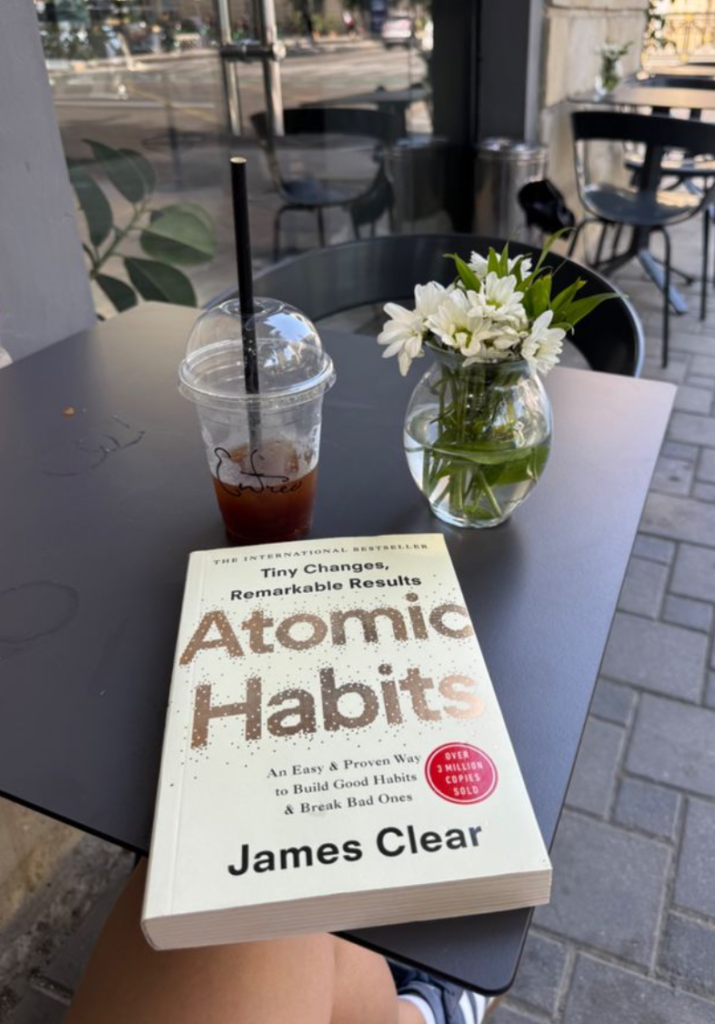
One book that genuinely stands out is Atomic Habits by James Clear.
After reading it carefully and applying its principles, I realized something important:
Success is not about massive change.
It’s about tiny improvements repeated consistently.
In this blog, I’ll share a practical, honest summary of Atomic Habits — along with insights from real-life application.
What Is Atomic Habits About?
The core idea of Atomic Habits is simple:
Small habits, when compounded daily, lead to remarkable results.
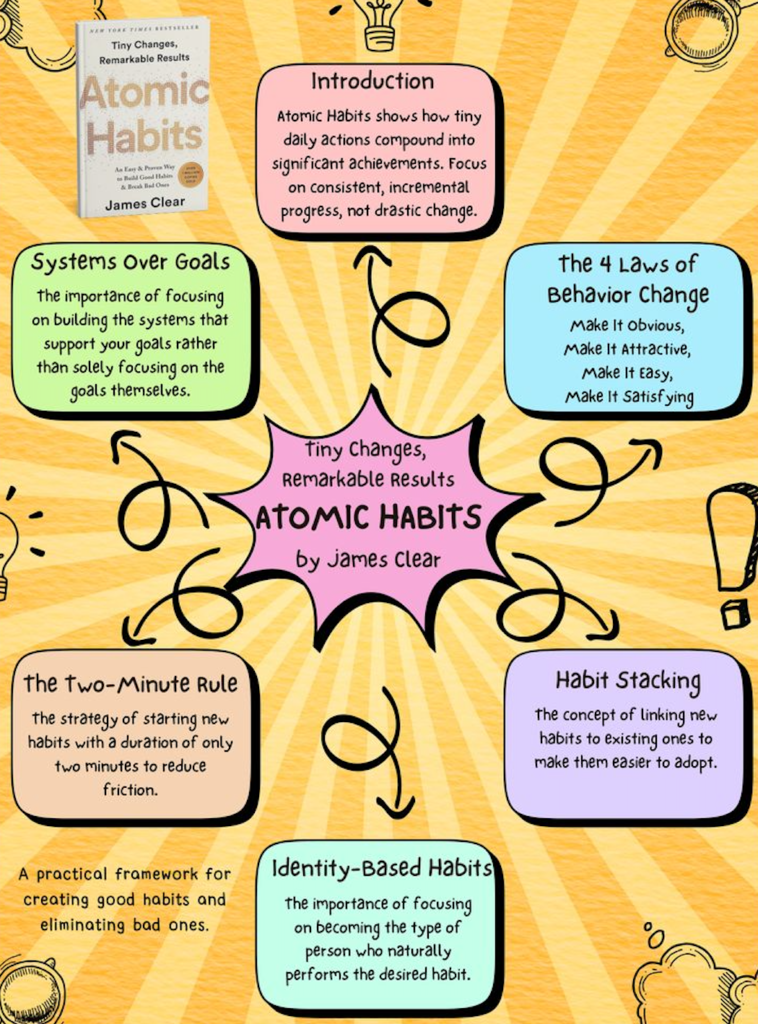
Instead of focusing on big goals, the book emphasizes systems — the daily actions that make those goals inevitable.
Clear argues that you don’t rise to the level of your goals.
You fall to the level of your systems.
That shift in thinking changes everything.
1. The 1% Rule – Small Improvements Matter
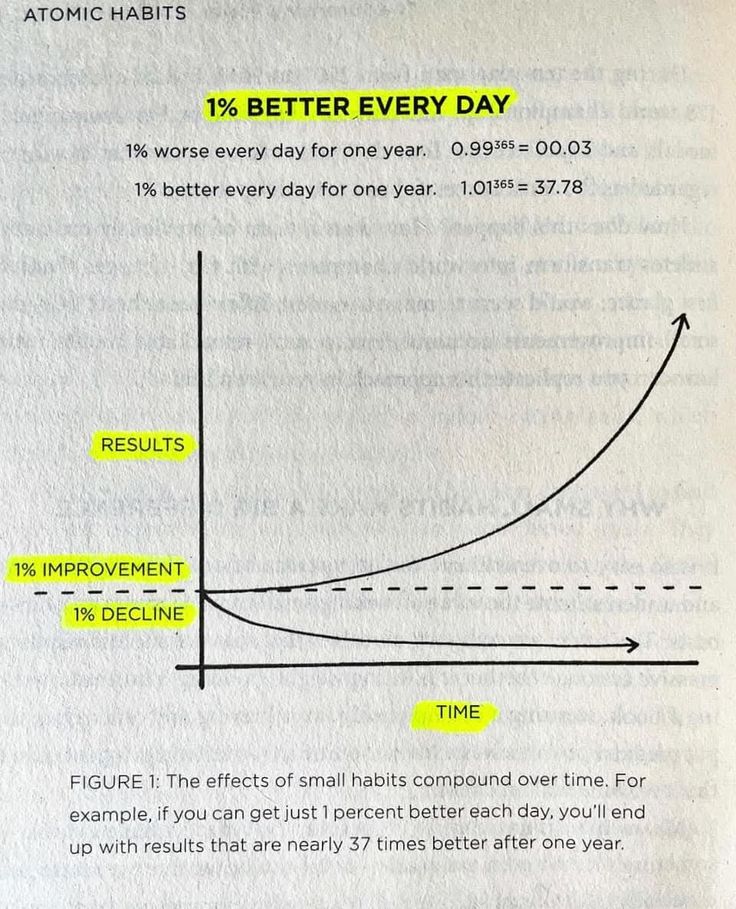
One of the most powerful ideas in the book is the 1% improvement concept.
If you improve by just 1% daily, those small gains compound dramatically over time.
Most people quit because they expect visible results quickly. But habit change works silently at first — like an ice cube slowly melting once it crosses a critical temperature.
Lesson: Focus on becoming slightly better every day, not instantly perfect.
2. Identity-Based Habits – Become the Person First
This was the most impactful idea for me.
Instead of saying:
“I want to write regularly.”
Say:
“I am becoming a writer.”
Instead of:
“I want to exercise.”
Say:
“I am someone who takes care of my body.”
Clear explains that habits stick when they align with identity.
Every small action becomes a vote for the type of person you want to become.
This mindset shift increases intrinsic motivation — because you’re reinforcing who you are, not just what you want.
3. The Habit Loop – Cue, Craving, Response, Reward
The book breaks habits into four stages:
- Cue
- Craving
- Response
- Reward
For example:
Cue: Morning alarm
Craving: Want energy
Response: Drink coffee
Reward: Feel alert
Understanding this loop helps you design better habits.
To build a good habit:
- Make it obvious
- Make it attractive
- Make it easy
- Make it satisfying
To break a bad habit:
- Make it invisible
- Make it unattractive
- Make it difficult
- Make it unsatisfying
It’s practical, not motivational fluff.
4.The Two-Minute Rule
If a habit feels overwhelming, scale it down to two minutes.
Instead of:
“Read for 30 minutes.”
Start with:
“Read one page.”
Instead of:
“Work out for an hour.”
Start with:
“Put on workout clothes.”
This removes resistance. Once you begin, continuation becomes easier.
Consistency builds momentum.
5.Systems Over Goals
Goals are important — but systems determine success.
Example:
Goal: Launch a business.
System: Write content daily, track engagement weekly, improve gradually.
Goals give direction.
Systems drive progress.
This lesson is especially powerful for entrepreneurs and students.
6.Habit Stacking
Habit stacking links a new habit to an existing one.
After I make tea → I journal for 5 minutes.
After brushing teeth → I stretch for 2 minutes.
This works because the brain already recognizes the existing routine.
It reduces decision fatigue.
A Personal Note: Why I started reading Atomic Habits in College
When I first entered college, everything felt exciting — but overwhelming at the same time.
New environment.
New freedom.
New decisions.
New people.
Suddenly, no one was telling me what to do. I had the freedom to choose — how to spend my time, who to surround myself with, how seriously to take my goals. And honestly, juggling academics, social life, expectations, and personal growth felt harder than I imagined.
There were days I felt confused.
There were days I felt behind.
There were days I questioned if I was managing things the “right” way.
That’s when I turned to self-help books.
Not because I was lost — but because I wanted direction.
And here’s something I realized: reading a self-help book is very different from casually listening to a podcast.
Podcasts can inspire you for an hour.
Books make you sit, reflect, underline, and think.
When you read, you slow down. You process. You question yourself. You apply.
But here’s the important part — self-help books only work if you apply them.
Cold reading — finishing a book in two days and moving to the next — does nothing. Real transformation happens when you take one principle and practice it consistently for 30 days.
For example:
- If a book talks about habit building — apply one habit for a month.
- If it talks about mindset — monitor your thoughts daily.
- If it teaches discipline — track your consistency.
That’s when you see results.
Looking back, those books didn’t just give me motivation.
They gave me structure.
They helped me:
- Manage my time better
- Build small habits
- Think clearly before reacting
- Handle freedom responsibly
And most importantly — they made me more self-aware.
If you’re in college right now, adjusting to independence and trying to figure things out, this might be your sign.
Your sign to start reading self-help books.
Not to become perfect.
Not to compare yourself.
But to understand yourself better.
Because growth doesn’t happen automatically with age.
It happens intentionally.
And sometimes, all it takes is one book to change your direction.
Honest Reflections After Reading the Atomic Habits
What makes Atomic Habits powerful is not dramatic inspiration — it’s practical structure.
The book doesn’t promise overnight success.
It promises steady progress.
After applying its principles:
- My consistency improved.
- My goals felt less overwhelming.
- I stopped relying on motivation alone.
The focus shifted from “big wins” to daily systems.