
It often feels like mental noise you can’t switch off.
Racing thoughts.
“What if” scenarios.
Overthinking conversations.
Imagining worst-case outcomes.
Your mind keeps scanning for problems — even when nothing dangerous is happening.
In moments like these, people often say:
But does journaling actually reduce anxiety?
Or is it just another self-care trend circulating online?
Let’s explore this from a psychological, research-backed, and practical perspective.

What Happens in the Brain During Anxiety?
Anxiety activates the brain’s threat-detection system (the amygdala). When this system is overactive, you experience:
- Rapid thoughts
- Increased heart rate
- Muscle tension
- Catastrophic thinking
- Difficulty concentrating
The problem is not thinking — it’s unprocessed thinking.
When thoughts stay trapped in your mind, they grow louder. Journaling creates an outlet.
Journaling Organizes Racing Thoughts
Research by psychologist James Pennebaker on expressive writing shows that writing about emotions helps reduce stress and rumination.
Why?
Because writing forces structure.
When you think:
“I’m overwhelmed.”
It feels vague and huge.
When you write:
“I feel overwhelmed because I have three pending tasks and an unresolved conversation.”
Now the anxiety has form.
Structure reduces intensity.
Journaling Creates Psychological Distance
Anxiety often blurs identity with emotion:
“I am anxious”
vs
“I am experiencing anxiety.”
Writing helps you observe your thoughts instead of becoming them.
This process is called cognitive defusion — a technique used in modern therapeutic approaches.
When thoughts are on paper, they feel external.
When external, they feel manageable.
It Reduces Overthinking Loops
Anxiety thrives on repetition.
You replay the same scenario again and again.
Journaling interrupts this cycle by:
- Identifying the core fear
- Evaluating evidence
- Creating alternative perspectives
Instead of replaying:
“What if I fail?”
You write:
“What is the worst realistic outcome? How likely is it? What can I control?”
Now the brain shifts from panic mode to problem-solving mode.
Writing Activates the Logical Brain
Anxiety is emotional.
Writing is analytical.
When you journal, you activate the prefrontal cortex — the rational part of the brain responsible for planning and reasoning.
This shifts you from:
Fight-or-flight → Reflect-and-evaluate
That neurological shift reduces emotional intensity.
Journaling Improves Emotional Regulation
Unexpressed emotions accumulate.
When you suppress fear, frustration, or sadness, your nervous system stays activated.
Expressive writing allows safe emotional release.
Even 10 minutes of writing about your worries can reduce physiological stress markers.
It’s not about writing perfectly.
It’s about releasing honestly.
Journaling Encourages Problem-Solving
Anxiety often exaggerates problems.
When written down, you can:
- Break large fears into smaller parts
- Identify realistic solutions
- Create actionable steps
For example:
Fear: “I’m not doing well in my career.”
Journal Reflection:
- What specifically feels stuck?
- What skill can I improve?
- What action can I take this week?
Clarity reduces helplessness.
It Builds Self-Awareness Over Time
Consistent journaling helps you identify patterns:
- When does anxiety spike?
- What triggers it?
- How do you respond?
Awareness leads to better coping strategies.
Over time, journaling becomes preventative — not just reactive.
Honest Truth: Journaling Is Not a Cure
It’s important to be clear.
Journaling reduces symptoms — but it does not replace professional treatment for severe anxiety disorders.
If anxiety:
- Disrupts sleep regularly
- Causes panic attacks
- Affects work or relationships
- Feels uncontrollable
Seeking therapy or professional support is essential.
Journaling works best as a complementary tool.
A Simple 5-Minute Anxiety Journaling Method
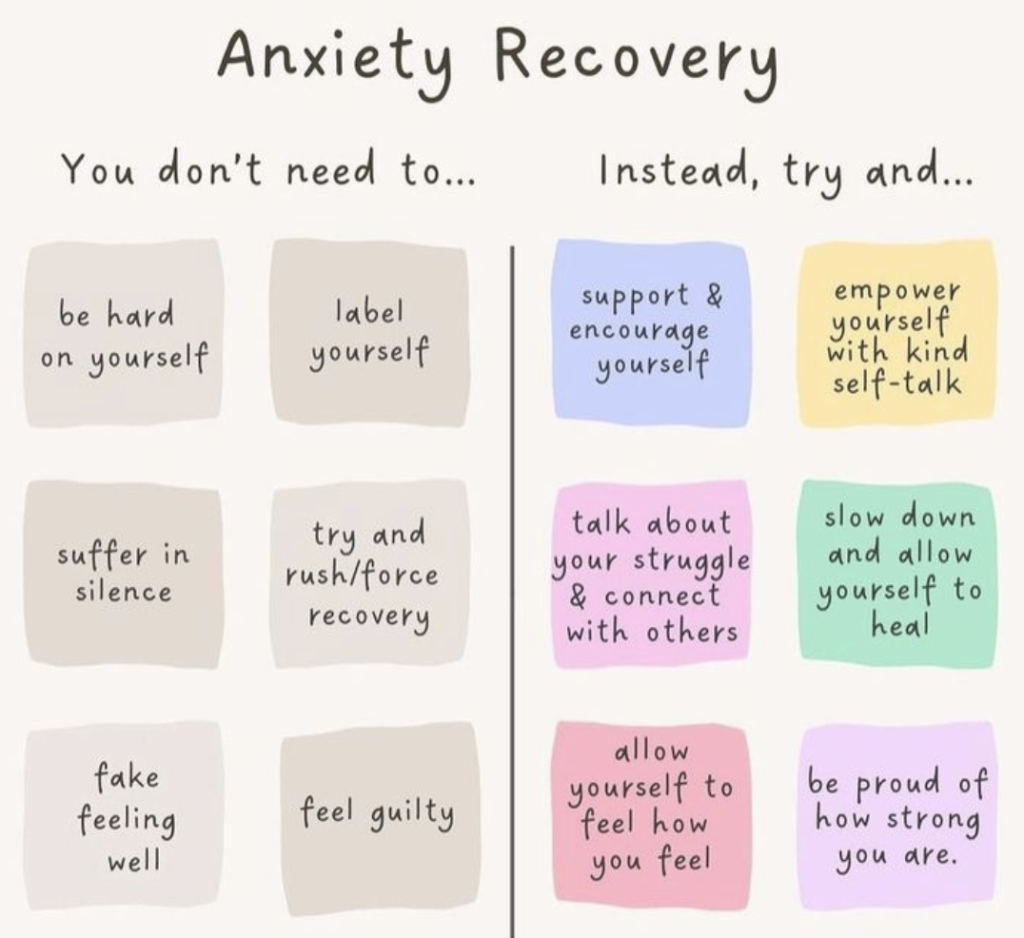
If you’re feeling anxious right now, try this:
- What exactly am I worried about?
- What evidence supports this fear?
- What evidence contradicts it?
- What is in my control today?
- What is one small step I can take?
Even one page can calm your nervous system.
Final Thoughts
Does journaling reduce anxiety?
Yes — when practiced consistently and honestly.
It works because it:
✔ Organizes chaotic thoughts
✔ Creates emotional release
✔ Strengthens rational thinking
✔ Encourages actionable clarity
✔ Builds long-term self-awareness
Anxiety grows in silence.
Journaling gives it structure.
And structure brings calm.